



A nugget of native copper,
cut to seven faces.
The mark is a copper nugget reduced to hard geometry — seven irregular facets, drawn with a ruler, never traced from a photograph. Irregular on purpose: ore bodies are not symmetrical, and neither is exploration. Each face catches the light differently, the way a specimen turns in the hand.
The green face is the tell. Raw copper announces itself in green — malachite and verdigris, the oxide skin that forms wherever copper meets weather. One facet holds that green at the heart of the mark: raw ore, still in the ground, value not yet brought to surface. It is the quietest possible way to say explorer.
All facet edges resolve to the central face. The verdigris facet is the origin of the drawing — everything else is cut around it.
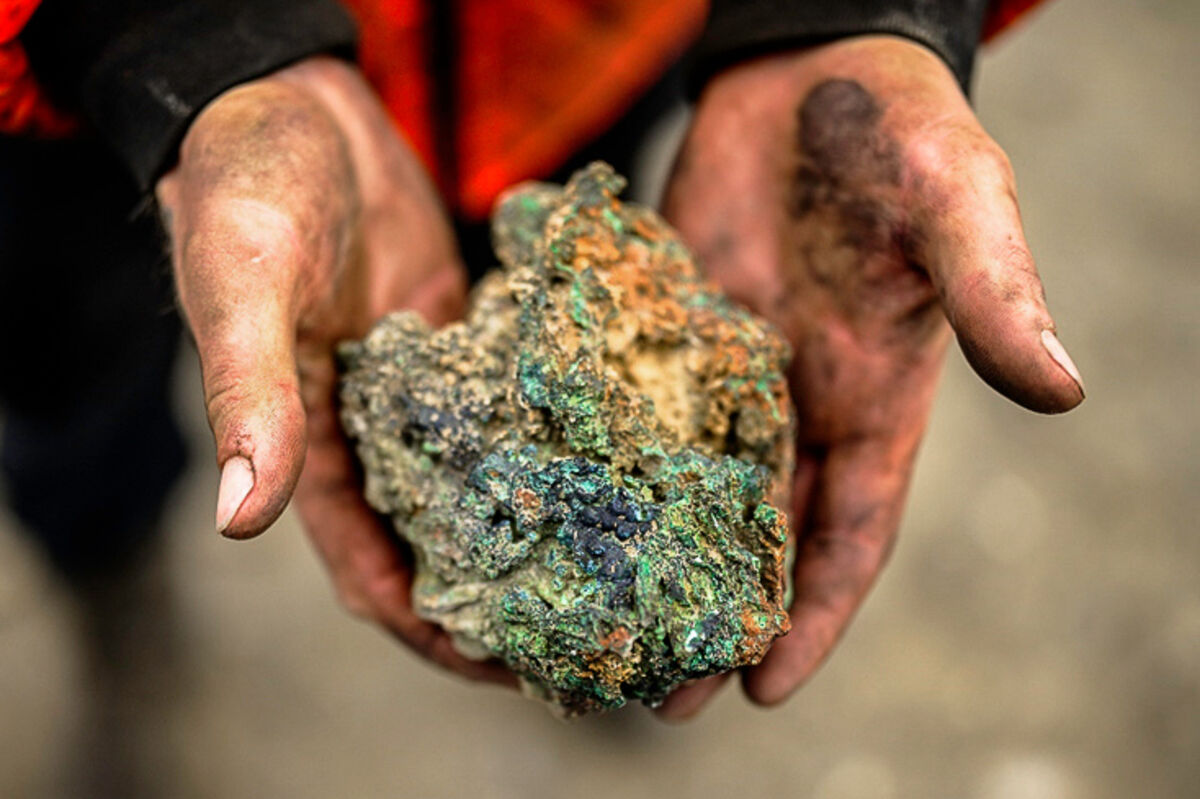
The greens are not decoration. Oxidised copper ore, as found — malachite green, ochre crust, native metal. The mark’s palette is sampled from the rock itself.


Clearspace unit = the verdigris facet. Keep two units clear; lockup never below 130 px.
Already in use — this is the palette of the V1 mark itself. Graphite for type, bronze for copper, verdigris held in reserve for the one green moment.
Type · grounds
Copper · accents
The green facet
Rules · panels
Ground
From the ground itself — the playa at noon. The washed blue enters only through sky, photography and charts; it never touches the mark.
Charts · air
Backgrounds
Photo grade
Deep neutral
Mostly paper. Bronze is rationed; verdigris is rare — that is what keeps both premium. Sky blue is a garnish, never a ground.
Porphyry systems concealed beneath post-mineral cover. The deposits weren’t missing — they were displaced, buried and walked over. Homeland’s work is to hold that ground to the standard of evidence.
HEADLINES
SUBHEADS
DESCRIPTOR
CAPTIONS
32.7519° N 109.8898° W
TSXV : HCM · LISTING PENDING
Coordinates, assays, depths, dates, tickers — anything measured is set in mono.
In the lockup the descriptor outweighs the name — Critical Minerals is the business; Homeland is the signature.
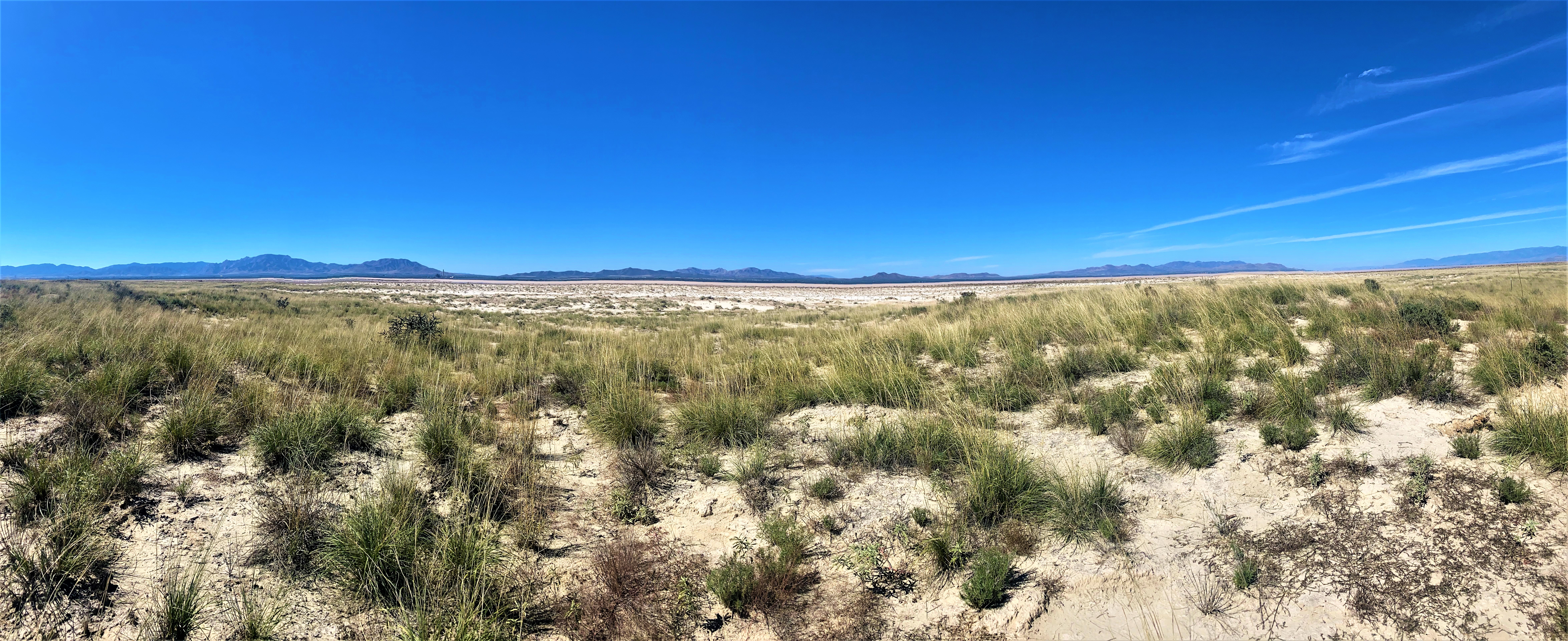
beneath the cover.
Three states.
One thesis.
on the ground.
{{ activeDesc }}
The mark survives to 14 px because the geometry is coarse and the green facet sits dead centre. Ticker chip states “listing pending” until the TSXV date — stated stage reads as discipline.
Alternate marks set in the V1 wordmark system — same Archivo lockup, same divider, same descriptor treatment — so each proposal is judged on the mark alone.
The drill-core slice, end-on — palette lifted from Homeland’s own Willcox trays.
The thesis drawn literally — surface line, buried dome, one drill trace finding it.
Ore to metal — the split disc; steel-and-copper industrial register.
Geophysics halo closing on a copper core — the cool, instrumental voice.
The study the chosen mark grew from — same nugget, earlier facet cut.
Nugget cross-section as survey contours — the V1 mark’s linework cousin.
Held as directions, not competitors: any of these can supply secondary graphics (contours, core bands, halos) inside the V1 system without changing the logo.
UTAH — NEVADA — ARIZONA
Prepared for internal review. Ore photography shown is reference stock, to be replaced with owned specimen photography from the August field program. Marks pending trademark search.